Is HMDD Worth the Price? A Value Breakdown for Shoppers for Streetwear Fans
Streetwear shoppers these days keep coming back to the same core question: does HMDD really come through on quality and design compared to its price point? The brand — officially known as Happy Memories Don’t Die — has built a following on graphics that hit an emotional nerve, a wistful, throwback look, and a lineup dominated by cozy essential pieces like sweatpants, shorts, hoodies, and tees. Still, branding and vibe alone can’t settle the price debate. This article breaks down what the real cost covers when you buy HMDD clothing, where it earns its keep, where it doesn’t, and how it measures up next to comparable streetwear labels in 2026.
Pulling the marketing apart from the garment itself is central to any honest hmdd review. HMDD leans on a specific sentimental pitch — the idea that sentiment survives time, that a garment can carry feeling and not just look. It’s an effective pitch, yet shoppers paying real money still want proof that stitching, fabric weight, and fit earn their price tag. So we’ll examine construction, sizing consistency, drop frequency, and resale demand for a realistic take instead of merely repeating its own pitch.
Where the Money Actually Goes
Positioned as a mid-range streetwear brand, HMDD is pricier than basic mall labels while staying below hype-driven luxury streetwear. Being caught in the middle is precisely where confusion tends to creep in, since buyers compare it to cheaper and pricier alternatives alike. The more honest comparison is similar-scale independent labels — not fast fashion, and not designer collaborations.
Three factors push up the cost: fabric weight, print/embroidery technique, and limited-run scarcity. HMDD sweatpants typically use denser fleece fabric than what a basic mall hoodie set offers, which affects drape and how the garment holds shape hmdd sweatshirt after repeated washes. The print designs — often the emotional core of the “happy memories don’t die” branding — typically use processes that outlast a simple heat-transfer print, which matters if you’re wearing a piece weekly rather than occasionally.
Scarcity from limited releases also affects pricing. Smaller production runs translate to higher per-unit costs than large-scale retailers see, and that gets passed to the shopper. This is standard across independent streetwear, not unique to HMDD, but it’s worth pointing out clearly because it accounts for some of the cost difference versus bigger retailers.
The Sweatpants-and-Shorts Lineup: The Core Value Test
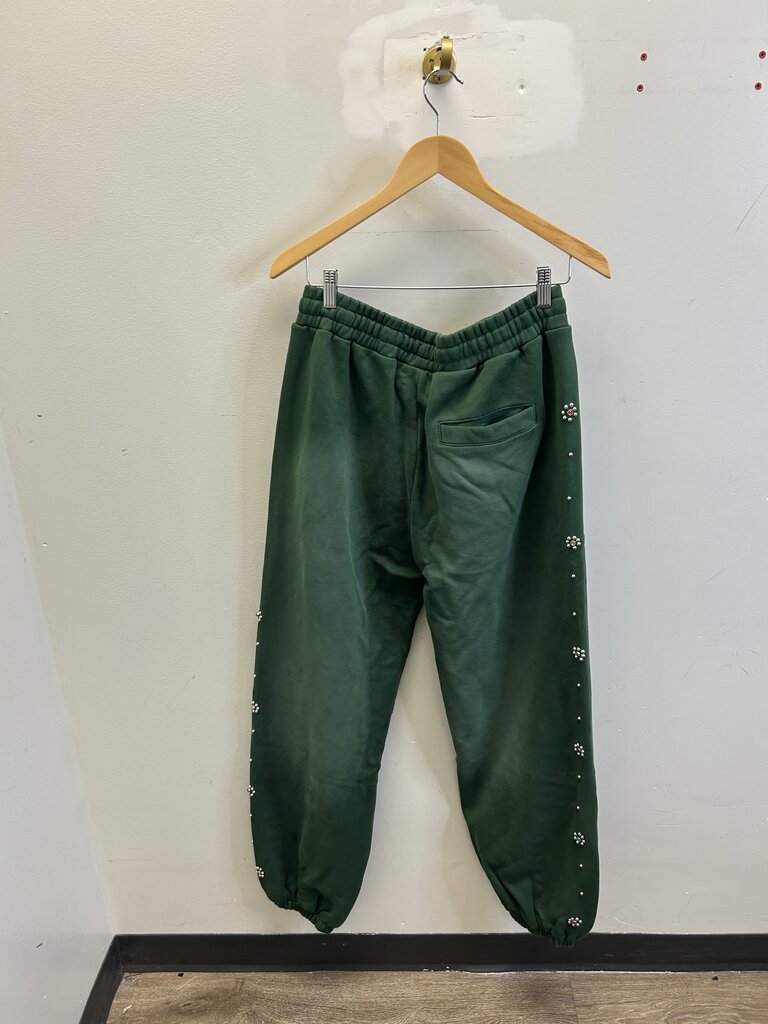
For the bulk of shoppers, hmdd sweatpants and hmdd shorts are the entry point into the brand, and they’re also the most telling test of cost-effectiveness because they’re used often and laundered on a regular basis. Sweatpants live or die on three things: waistband elasticity retention, long-term pilling resistance, and whether the fit stays true after twelve washes. Shorts get judged on how long the drawstring lasts, seam strength at the inseam, and whether the material resists fading after frequent laundering.
Shoppers consistently note that HMDD’s sweatpants run true to size with a easy through-the-leg cut rather than a fitted taper, which makes a difference if you’re used to size charts that skew narrow. Shorts follow a similar relaxed silhouette. Few shoppers give this kind of consistency enough credit — a brand that fits reliably across drops spares you the trouble and expense of sending items back, which is its own form of value even before you factor in the actual price of the garment.
Where it gets interesting is how often customers buy again. Shoppers who buy one pair of HMDD sweatpants and are satisfied tend to come back for shorts or hoodies rather than one-off buying and moving to a different brand. That’s a reasonable indicator of satisfaction, since streetwear shoppers have no shortage of alternatives and don’t keep buying for subpar items.
How HMDD Stacks Up Against Comparable Streetwear Labels
Figures anchor this discussion better than descriptive words can. Here’s a framework for comparison across categories that matter most to budget-minded shoppers: price positioning, fabric weight class, how long prints and graphics last, release frequency, and fit consistency. These are comparative rankings based on general category positioning rather than specific claims HMDD hasn’t directly made, and they’re meant to orient you rather than function as precise specifications.
| Metric | Budget/Mainstream Streetwear | HMDD Clothing | Luxury Streetwear |
|---|---|---|---|
| General Price Tier | Budget-Level | Mid | High to Very High |
| Material Weight | Lightweight to Medium | Medium to Heavyweight | Heavy |
| Graphic Longevity | Weaker to Moderate | Moderate to Strong | Strong |
| Drop Frequency | Constant | Periodic/Limited | Seasonal and Scarce |
| How Consistent Fit Stays Across Drops | Variable | Generally Consistent | Reliable |
This table isn’t meant to crown a winner — it’s meant to indicate where HMDD sits among its peers. It isn’t going up against $15 fast-fashion sweatpants, nor is it attempting to pass as a $300 designer hoodie. It holds the space where fabric and print quality noticeably improve over entry-level basics, without asking shoppers to pay high-end pricing for the improvement. For plenty of customers, that in-between space is exactly the value proposition they’re after.
HMDD’s Best Everyday-Value Selections
If you’re not sure where to start, the most sensible hmdd clothing for cost-per-wear value is generally the items you’ll actually wear multiple times a week — not the boldest limited item.
- Sweatpants: elevated wear frequency, easygoing fit, best cost-per-wear ratio in the range.
- Short bottoms: strong warm-weather go-to item, similar fit reasoning to the sweatpants.
- Printed hoodies: higher price point but slower wear-out due to lower rotation frequency.
- Tees: most affordable entry point, useful for checking fit before buying pants.
Picking up a t-shirt initially is a savvy tactic if you’re new to hmddla and uncertain how the brand’s sizing translates to your typical fit. This kind of staged buying is common advice among streetwear buyers navigating any smaller brand with restricted return timeframes.
The Downsides of the Value Equation
Every brand has flaws, and value assessments lose credibility if they only focus on strengths. The biggest pain points shoppers raise about HMDD center on restricted stock drops — when a design sells out, it may not restock on a predictable schedule, which can annoy buyers who weren’t fast enough to grab a drop. That’s a real cost in convenience, even if it doesn’t show up on a receipt.
How fast items ship and how returns work are the other area shoppers should weigh in their value math. This situation is exclusive to HMDD, but it’s part of the true expense of buying from a niche, creativity-led label rather than a large-scale retailer with warehouse-scale logistics.
Final Verdict: Should You Buy HMDD?
Those bottoms specifically offer strong cost-per-wear value because they’re versatile, fit consistently, and hold up to regular washing better than entry-level basics. The “happy memories dont die” ethos isn’t just surface-level messaging — it shows up in design choices that favor sentiment and longevity over short-lived trend cycles.
If you’re relying on designer-level craftsmanship at mid-range prices, or depending on dependable restocks alongside generous return windows, that’s when caution is warranted. These qualities aren’t strengths of the limited-drop model HMDD operates under, and no honest review should pretend otherwise. Once you’ve weighed your own priorities — price relative to wear, aesthetic fit, and tolerance for limited restocks — relative to what HMDD offers, settling the worth-it question gets far simpler for your particular situation in 2026.